Producer: Shawn Sullivan. Engineer: Kyle Homme.
Recorded to Pro Tools at World Class Audio, Anaheim, CA.
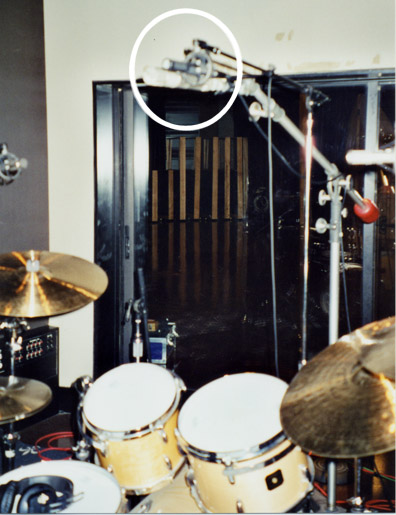
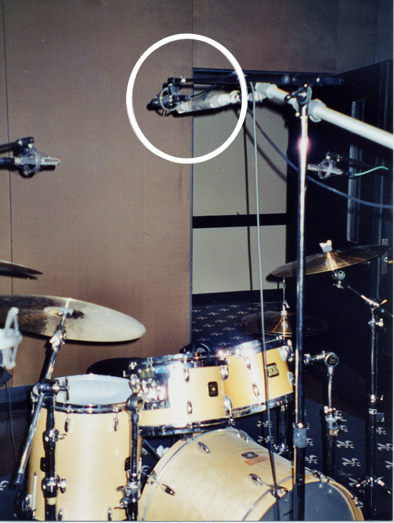
One back side R-121 on vocals and acoustic guitars. Two R-121’s on drum overheads.
Sean Sullivan was the original discoverer of the backward R-121 recording technique. Due to our patented offset ribbon element, the back side of the microphone is slightly brighter than the front side when placed within 3 ft of any sound source.
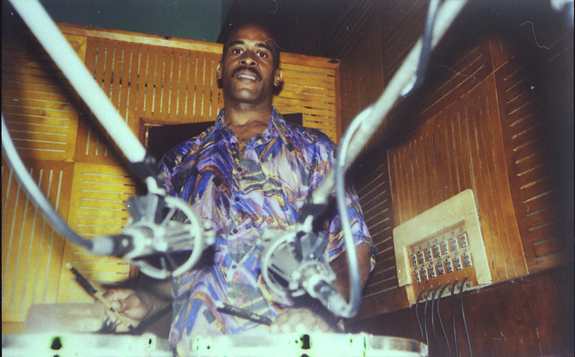
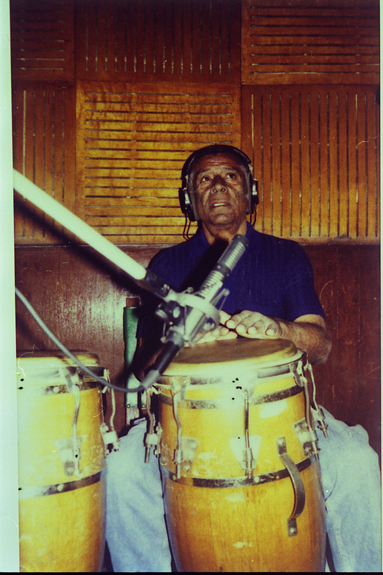
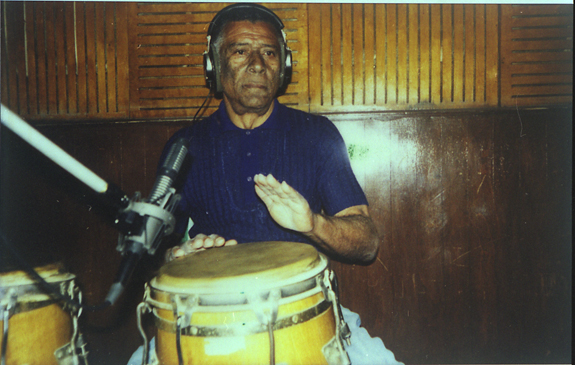
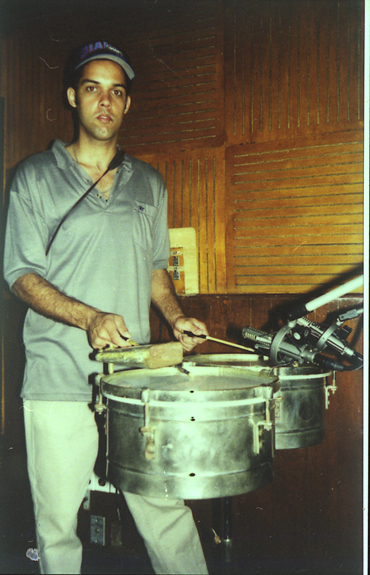
Song 1. R-121’s on all percussion instruments and brass. SF-12 stereo ribbon mic on drum overhead.
Recorded to Sony 4038 (16-bit) at Signet Sound, Hollywood, CA.
1. Commercial (Roger Wojahn & Scott Wojahn)
Song 2. R-121’s on all percussion instruments, guitars and violin. SF-12 stereo ribbon mic on drum overhead.
Recorded on a Sony 3348 (16-bit) at Village Recorders, Los Angeles, CA.
Engineered and mixed by Bruce Swedien. Produced by Bruce Swedien and Andres Levin.
Recorded at Studios EGREM – Havana, Cuba / Fun Machine Studios – New York, NY / Westviking Studios.
All percussion instruments recorded with R-121’s and an SF-12.
From the Sony Records France release “Le Sang Des Roses”.
Recorded, mixed and produced by Bruce Swedien.
Recorded at Presence Studios and Westviking Studios. Mixed at Westviking Studios.
From the Juna release “Les Go.”
All percussion instruments recorded with two R-121’s and an SF-12 stereo ribbon microphone.
R-121 – 10 inches high and 20 inches off the front kick drum head. The microphone was leaned forward 45 degrees to take advance of the mic’s null points and isolate the kick drum from the rest of the kit.
Engineer – Les Camacho.
Recorded at Cornerstone Studios – Chatsworth, CA.
Engineer/Producer: Russell Dawkins
Recorded at the studios of the Ukrainian Radio/Television Orchestra, Kiev.
Recording chain: One SF-12 stereo ribbon microphone with 35-feet of Monster cable connected to a Studio Technologies mic pre, then 6-feet of Monster cable to an Apogee A/D converter, to coaxial cable to the digital ‘in’ on a portable DAT machine. No compression or reverb used.
This exceptional recording of a full orchestra was made on one SF-12 stereo ribbon microphone, positioned over the conductor’s head, at a distance that achieved a nice balance of the orchestra and hall ambience. We use this recording regularly in seminars, as it’s a wonderful example of the amazingly natural reproduction a high-quality ribbon microphone is capable of delivering. The off-axis response is perfect, transients are natural with no overshoot or ringing, and the flat frequency response captures the full range of the orchestra with no peaks or dips anywhere throughout the frequency range.
Sergei Prokofiev – “Romeo and Juliet, Suite No. 2”
Sergei Prokofiev – “Romeo and Juliet, Suite No. 2” excerpt 2
Recorded by Dr. Fred Bashour
Recorded at The Cathedral of the Immaculate Conception, Denver, CO
Recording chain: One SF-12, 35 feet high, 30 feet back from the pipes, to a Millennia Media HV-3C preamp/ADC, and recorded directly to a Sony TCD-D10 PRO DAT machine.
This track was Dr. Fred’s first use of an SF-12 and was made while he was reviewing the microphone for Pro Audio Review. The final take utilized over 12 mics, but Dr. Fred provided this isolated SF-12 track to Royer Labs for demonstration purposes.
Performed by Ann Labounsky & David Craighead.
Jean Langlais, Mosaique, Vol. 3: (6) Double Fantaisie for Two Organists
Recorded by Randy Kohrs
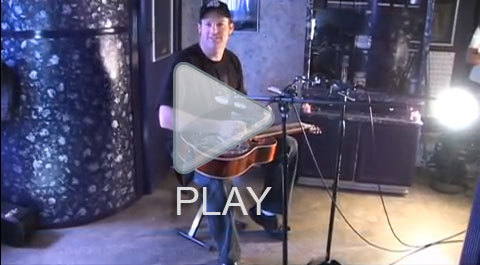
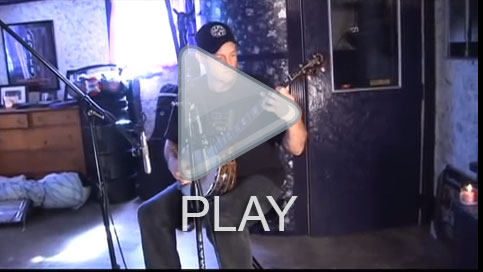
Dobro and Banjo recorded into ProTools.
In these two videos, Grammy winning engineer/producer/musician Randy Kohrs shows us his techniques for recording Dobro and Banjo. It’s a great here’s-how-to-do-it for each instrument from an outstanding musician and engineer.
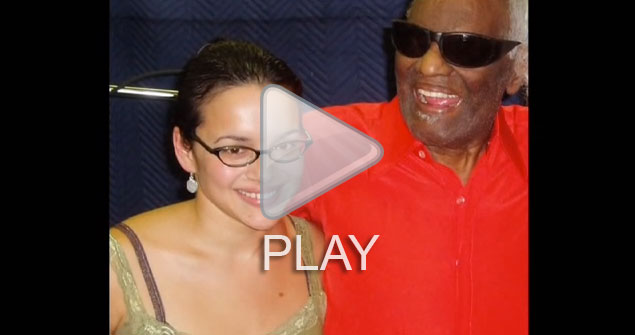
This extraordinary session was held in Ray Charles’ Los Angeles studio in November 2003. I was privileged to attend and was given permission to take photographs with a small pocket camera. The musicianship was incredible, with most parts of the song being done in one or two takes.
-John Jennings, Royer Labs
B-3: Billy Preston’s Leslie cabinet was miked with two R-122’s, one positioned on the top horn and one on the bottom.
Piano: An SF-12 was positioned inside Ray’s piano alongside a couple of condenser mics. The SF-12 was the main mic used in the final mix.
Electric Guitar: The electric guitar amp was miked with an SM-57 up close and an R-122 further back, blended in the mix.